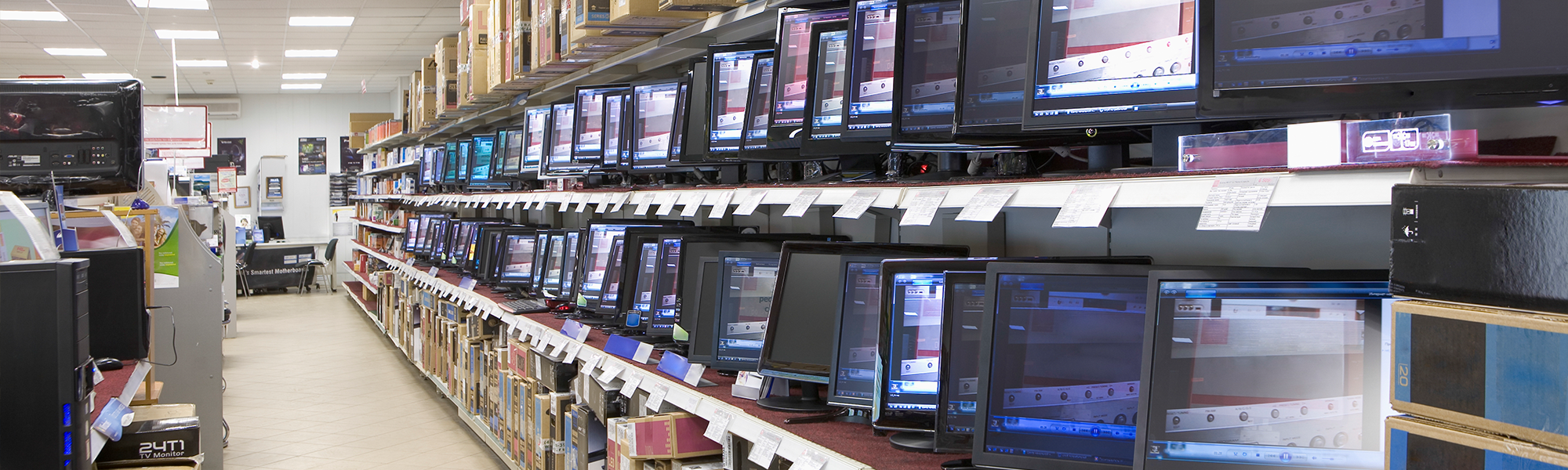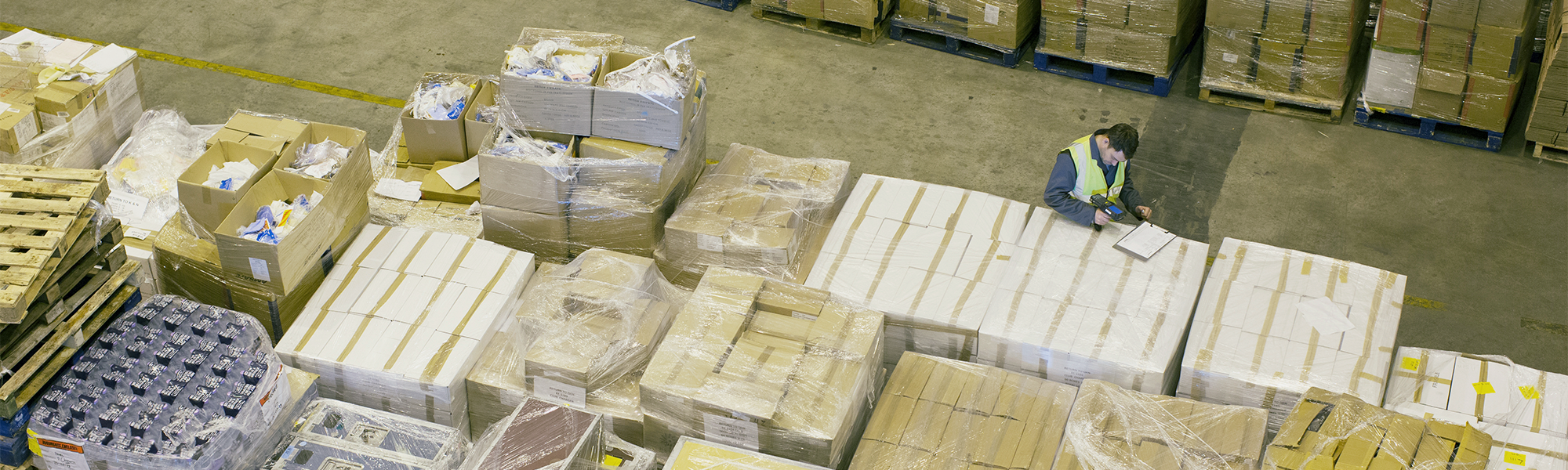


The issue of unsold stock is not limited to clothing. Small household appliances left sitting in warehouses, home accessories ordered in excess, tech items replaced by newer models: every year, companies operating in e-commerce and distribution have to deal with stock they don’t know where to put. And the most common solution – namely disposal – is simultaneously becoming illegal, expensive and damaging to reputation.
The true impact of unsold stock, in Italy and worldwide
Let’s begin with the statistics, because the issue is tangible and quantifiable. According to the Delivery Index eCommerce 2024 compiled by Qaplà based on Italian data, the average return rate for e-commerce in Italy stands at 5.9%, but with significant variations by category: IT and consumer electronics reach 7.9%, whilst for clothing, accessories and sports items, the figure rises to 11.3%. These figures, based on volumes of millions of shipments, translate into hundreds of thousands of products being returned every year.
Added to these are structural stock surpluses: unsold products resulting from errors in demand forecasting, discontinuation of product ranges and seasonal changes. The electronics sector is particularly affected by increasingly short product life cycles: when a model is replaced, it becomes difficult to place the remaining stock on primary channels.
The scale of the global issue is even more alarming. According to the United Nations’ Global
E-waste Monitor 2024, 62 million tonnes of electronic waste were generated worldwide in 2022, and this figure is forecast to reach 82 million tonnes by 2030.
The regulatory framework: pushing beyond fashion
The European regulatory framework is changing at a pace that many companies still underestimate. The Ecodesign for Sustainable Products Regulation (ESPR), in force since July 2024, has introduced concrete measures against the waste of unsold products.
As the European Commission announced on 9 February 2016, between 4% and 9% of unsold textiles in Europe are destroyed every year before they are even worn, producing approximately 5.6 million tonnes of CO₂. However, from 19 July 2026, the ban on destroying unsold stock will come into force for large enterprises and will be extended to medium-sized enterprises in 2030.
And the textile sector is merely the starting point. Article 25 of the ESPR explicitly provides that the European Commission may extend the ban to other categories of consumer products through future delegated acts.
Reverse logistics: from cost to opportunity
In this context, M&A Export’s expertise also becomes strategic for consumer goods. Managing reverse logistics does not simply mean collecting goods: it means overseeing a complex evaluation, storage and relocation process to alternative markets, whilst ensuring that the original brand is protected.
Relying on an expert partner enables three simultaneous outcomes:
- recover immediate liquidity, transforming idle stock into working capital, without waiting for the product to lose further value;
- free up logistics capacity, because warehouse space should be used for new products, not for accumulating past stock;
- improve sustainability performance, because every product that is relocated is a product that does not end up in landfill, and this is becoming increasingly important in ESG reports and in terms of reputation with customers and stakeholders.
M&A Export, a global relocation hub
Thanks to a distribution network operating in over 60 countries, M&A Export acts as a global relocation hub. Consumer goods are given a new lease of life in markets that do not compete with the brand’s primary channels, with different price segments and consumer contexts. This model has already proven its effectiveness in the fashion sector – where we manage surplus stock from over 40 Italian and international brands – and has also been widely applied to electronics, home furnishings, leisure and many other product categories.
Unsold stock is not an issue to be hidden away. It is a misplaced resource, just waiting to be valued on the right market. Contact us to find out more about our solutions.