


Category: Unsold consumer goods
What happens to unsold household appliances, sports equipment left sitting in warehouses, and home furnishings that haven’t found buyers? All too often, these items end up being disposed of. In this section, we’ll take a look at the alternatives: from reverse logistics to relocation to secondary markets, via the regulations that are changing the rules of the game. And we’ll tell you how M&A Export manages surplus consumer goods, extending their lifecycle.
-
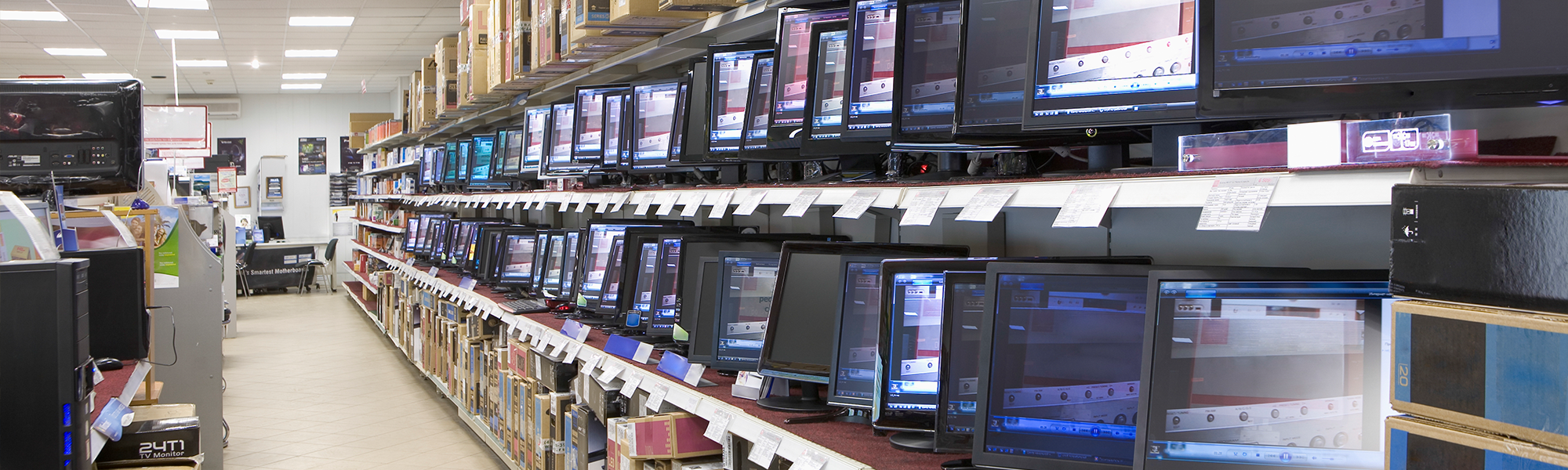
Unsold electronics stock: the problem no one wants to see
Regulatory pressure on unsold electronic devices is set to increase. At the same time, electronics stock sitting in…
-
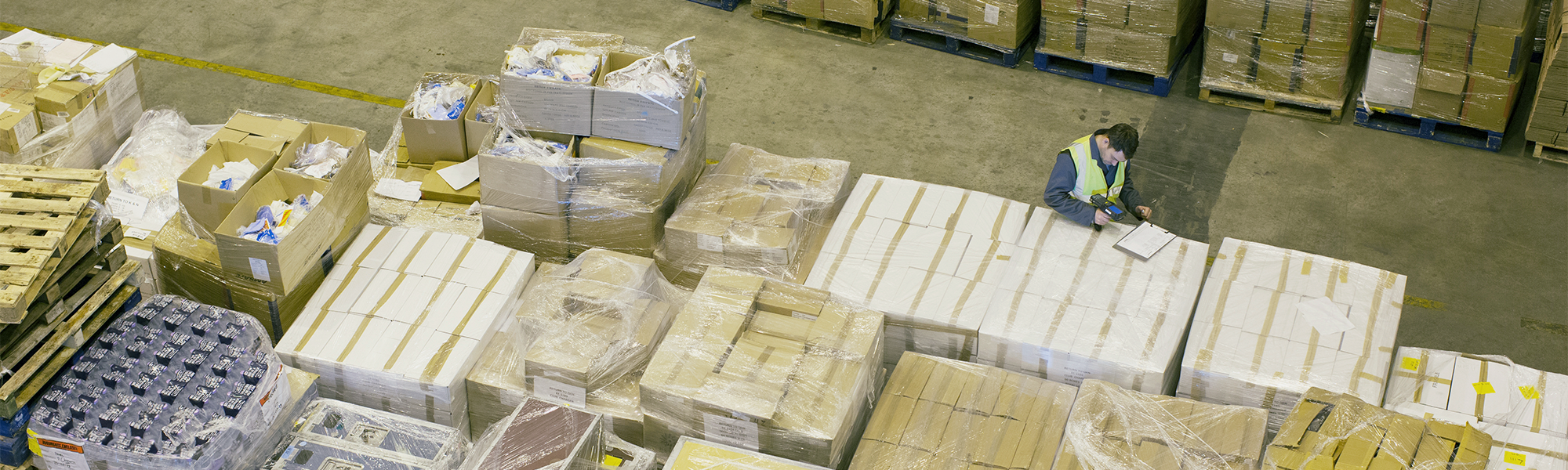
The global secondary market: where unsold consumer goods find a home
Every year, billions of undamaged products fail to find a buyer in the primary channel. Here’s how the…
-
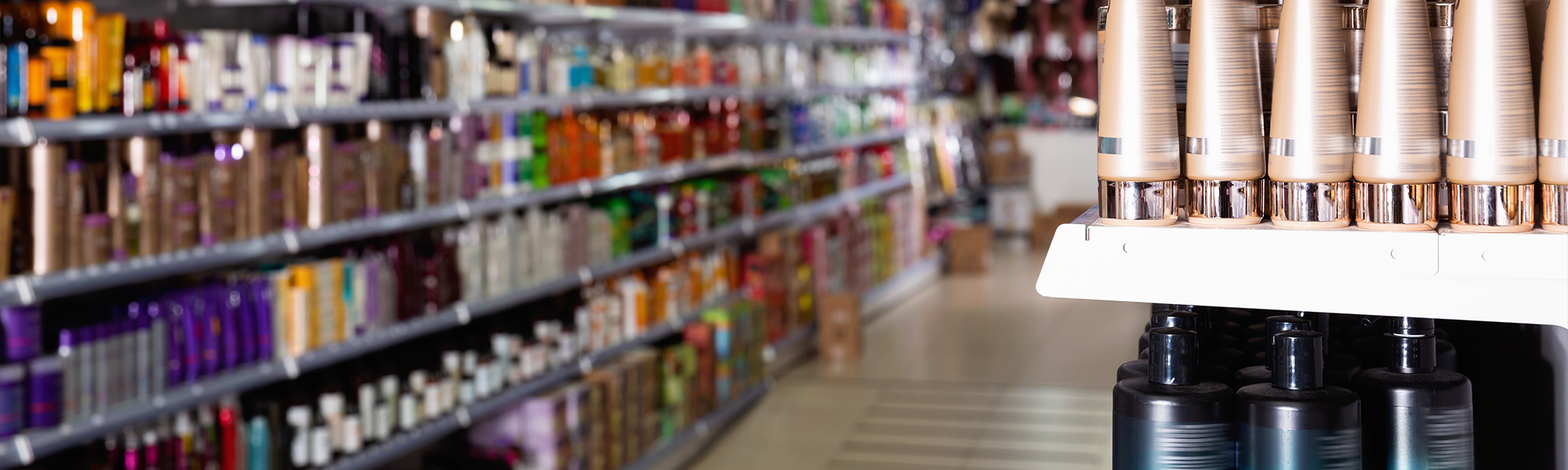
When unsold cosmetic stock becomes a supply chain problem
The beauty sector is growing, and with it, the problem of unsold cosmetic stock. With rising e-commerce returns…
-

Beyond fashion: reverse logistics for consumer goods
Returns, unsold stock and consumer goods surplus: reverse logistics turns an issue into an opportunity, whilst complying with…