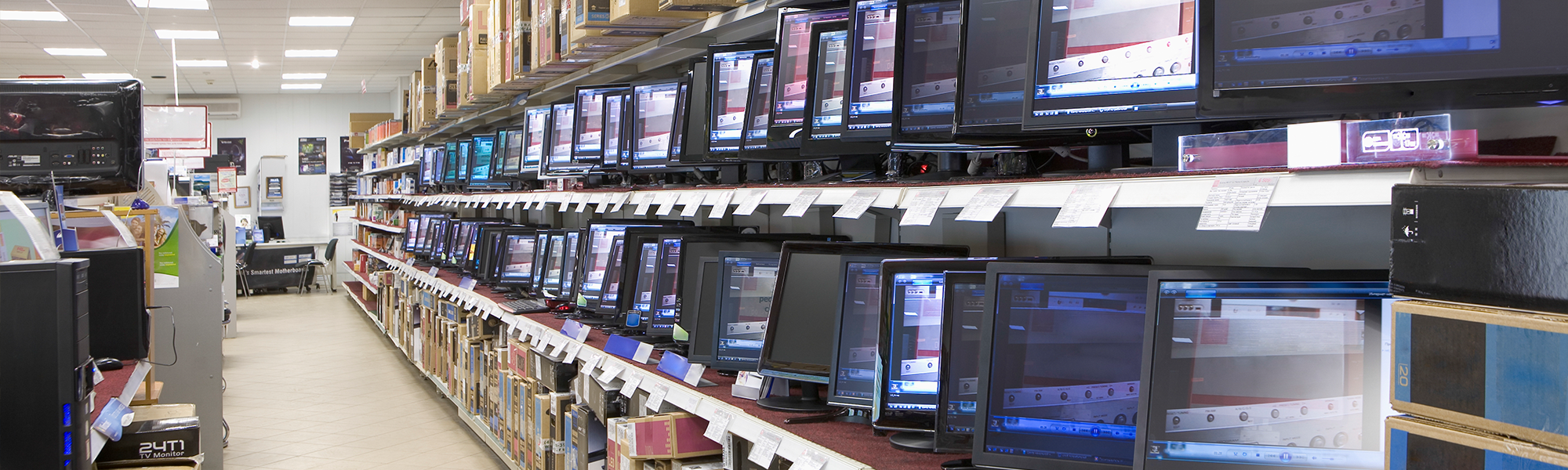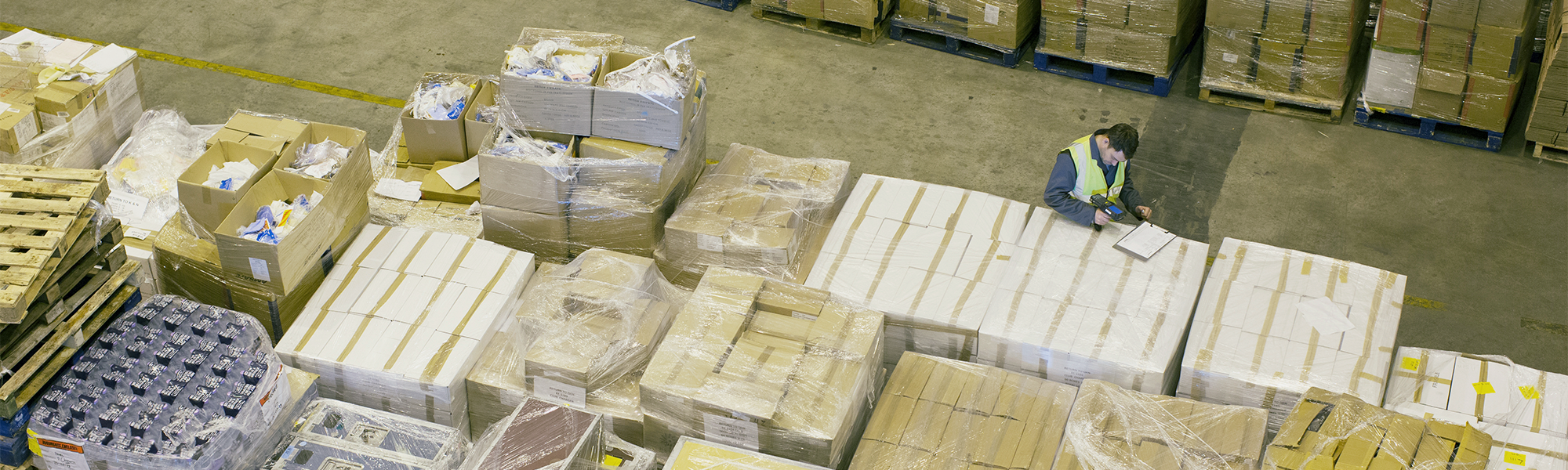


Unsold electronics stock is one of the most critical segments in surplus stock management. Not so much because of the quantities involved – although they are significant – but above all because of the speed at which product value deteriorates.
Every year, billions of electronic devices are placed on the market. Smartphones, small appliances, vacuum cleaners, toasters, kettles, microwaves: products with a short life cycle, which are updated rapidly and are being returned with increasing frequency, becoming a problem that the supply chain struggles to address openly.
The figures behind a global problem
The latest data illustrating the scale of the problem were published in 2024 by the United Nations Global E-waste Monitor. The report highlighted that e-waste is growing five times faster than it is being recycled. In particular:
- in 2022, 62 million tonnes of e-waste were generated worldwide, an 82% increase compared with 2010;
- projections indicate a further 32% increase by 2030, reaching 82 million tonnes;
- only 22.3% of e-waste is properly collected and treated.
A significant proportion of this WEEE – approximately one in four items – consists of small electronic devices: vacuum cleaners, microwaves, toasters, kettles, shavers, routers and mobile phones. These products are often disposed of improperly, resulting in the loss of valuable materials and creating environmental impacts that the production system is still not adequately addressing.
The specific issue of unsold electronics
The e-waste covered by these statistics concerns products that have reached the end of their useful life. But there is another category that often remains invisible in the data: unsold electronics stock – intact, fully functional products that have never been used and are simply sitting in warehouses.
The specific issue with unsold electronics is technological obsolescence. Unlike clothing, an electronic device loses value with every passing month, not because it physically deteriorates, but because the market moves on.
An unsold smartphone model can be worth significantly less after six months than it was when it was first produced. A small appliance replaced by an updated version can become difficult to place through standard sales channels.
The result is that companies managing electronics stock need to act quickly. Every delay, in addition to generating warehousing costs, represents a measurable loss of value that is difficult to recover.
The regulatory context: ESPR and Right to Repair turn their attention to electronics
Regulatory pressure on this sector is set to increase. On 31 July 2026, the EU Right to Repair Directive came into force, requiring manufacturers of electronic devices and household appliances to offer repairs within a reasonable timeframe and at a reasonable price, provide manuals free of charge and make spare parts available.
In addition, the ESPR 2025-2030 Working Plan, adopted by the European Commission on 16 April 2025, introduces two horizontal criteria that directly concern electronics: “repairability requirements”, including the assignment of a repairability score, planned for 2027, and “requirements on recycled content and recyclability” for electrical and electronic devices, planned for 2029.
The direction is clear. Europe considers electronic products to be assets to be preserved and kept in the economic cycle for as long as possible.
Companies that manufacture or distribute consumer electronics and small appliances will soon have to demonstrate that their products meet stricter standards throughout their entire life cycle, including the stage at which a product becomes surplus stock.
Companies that take steps today to manage their inventory in a structured way are not simply solving a logistics problem: they are positioning themselves ahead of a regulatory framework that is rapidly taking shape.
Relocation as a practical solution
The solution exists and is already operational. Working with a partner specialising in electronics stock management means recovering liquidity quickly, freeing up warehouse space and ensuring that products reach a market where genuine demand still exists.
At M&A Export, we manage surplus consumer electronics and small appliances by relocating them to international secondary markets, selected to ensure geographical separation from the brand’s primary channels. With an active network in over 60 countries, we can find the right destination for any type of stock, with the speed this sector requires.
If you have electronics stock that you are unsure how to manage, contact us: we will assess the most suitable solution for your business together.