Every year, billions of undamaged products fail to find a buyer in the primary channel. Here’s how the global secondary market works and why it’s growing rapidly.
Read more from The global secondary market: where unsold consumer goods find a home

Every year, billions of undamaged products fail to find a buyer in the primary channel. Here’s how the global secondary market works and why it’s growing rapidly.
Read more from The global secondary market: where unsold consumer goods find a home

The beauty sector is growing, and with it, the problem of unsold cosmetic stock. With rising e-commerce returns and new European regulations, relocating stock is better than disposal.
Read more from When unsold cosmetic stock becomes a supply chain problem

Returns, unsold stock and consumer goods surplus: reverse logistics turns an issue into an opportunity, whilst complying with regulations. Read now.
Read more from Beyond fashion: reverse logistics for consumer goods

Strategically managing unsold stock, returns and defective stock is not just about sustainability: it is a real opportunity to recover value, reduce waste and strengthen the fashion business.
Read more from Sustainability to protect the fashion business

The geopolitical scenario, environmental regulations and new trade barriers are transforming the export of unsold goods. At M&A Export, we can respond with strategic choices.
Read more from How the export of unsold goods is changing in the current geopolitical scenario

Selecting markets and redistribution channels is essential for clearing stock and generating a financial return without compromising brand protection.
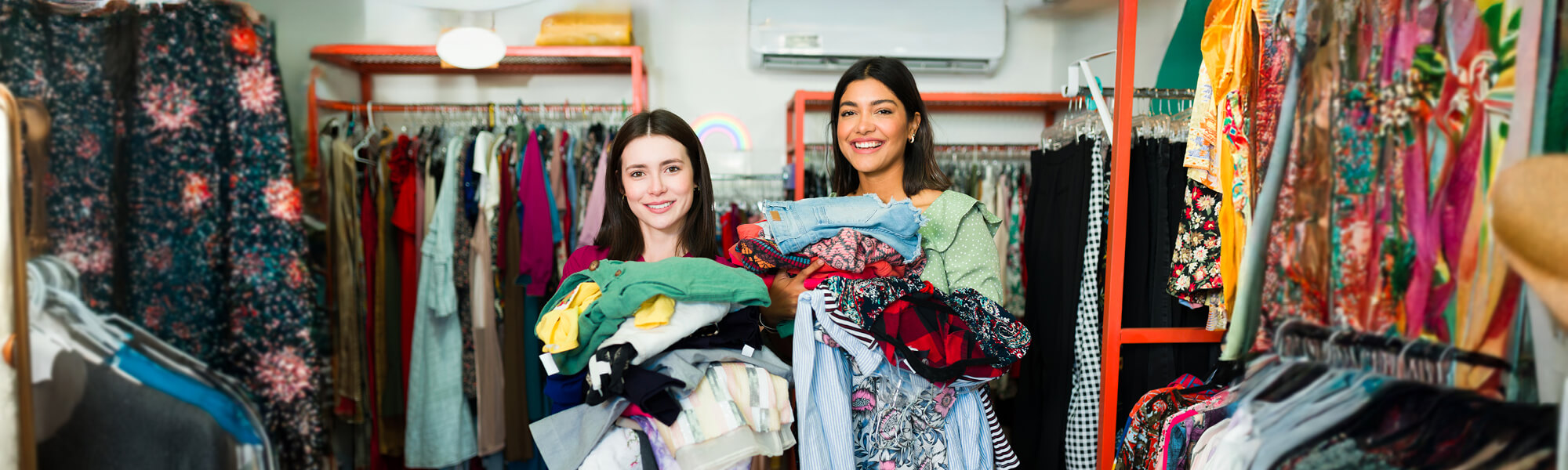
Secondary markets are a key resource for companies that want to recover value from surplus stock and reduce waste.
Read more from Secondary markets: what they are and why they are so important

The average e-commerce return rate is around 14%, but for major players it can reach 50%, with a significant environmental impact. At M&A Export, we have expanded our business to include e-commerce returns management to create a more sustainable and profitable market.
Read more from E-commerce returns management: M&A Export’s business grows

The European textile industry is facing new challenges with regulations and sustainability. M&A Export offers a concrete solution by relocating unsold goods to secondary markets to reduce waste and valorize surpluses.
Read more from Textile sustainability: the role of EU trade policies

The hemp fibre clothing market has significant growth prospects, due to the sustainability of the raw material. Unfortunately, there are still legal barriers in many countries.
Read more from Hemp fibre fabric: the future of sustainable fashion

